
Construction Robotics Training Workstation
A modular training workstation combining six-axis collaborative robotics, simulated construction tasks and digital-twin learning for vocational colleges and universities.
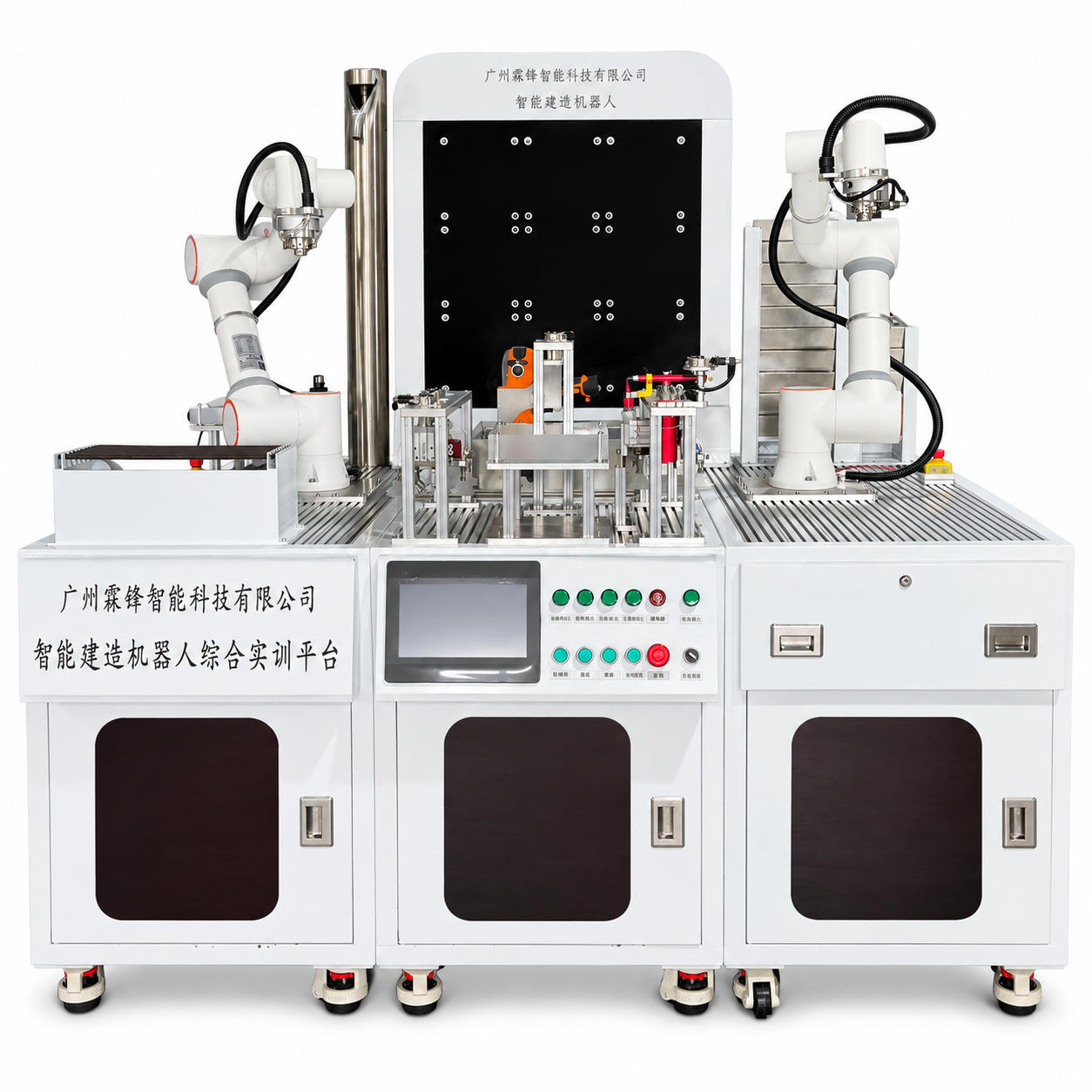
Built for research.
Ready to teach.
Built for smart construction, civil engineering and mechatronics programmes, this integrated workstation connects virtual simulation with hands-on robot operation. Interchangeable process modules simulate masonry, tiling, spraying, rebar tying and prefabricated-component handling. Six-axis collaborative robotics, hand-guided teaching and multi-language programming support lessons from robot fundamentals to process commissioning. The platform is suited to classroom teaching, course projects, skills competitions and industry–education research projects.
Discuss your curriculum, research objectives and integration needs with LINFENG to define a suitable platform configuration.
What this product
is built to deliver.
Multiple construction scenarios
Modular tooling simulates masonry, tiling, spraying, rebar tying and prefabricated-component handling. Reusable training props help reduce consumable costs across repeated exercises.
Hands-on robot programming
Six-axis collaborative robot arms combine hand-guided teaching with multi-language programming, connecting robotics skills with smart-construction practice.
Simulation to real operation
Digital-twin integration links virtual programming with the physical workstation. Students can rehearse and check tasks in simulation before running them on the equipment.
Teaching resources included
Courses, practical task sheets and assessment question banks support everyday lessons, course projects and skills-competition preparation.
Protection for supervised practice
Robot safeguards and automatic stopping on detected collisions support supervised student operation. Appropriate risk assessment, tool-specific protection and instructor oversight remain necessary.
Expandable, serviceable platform
The modular architecture supports vision and AGV-base extensions as lab requirements evolve. A sturdy, accessible frame simplifies maintenance and future upgrades.
From first lesson
to practical assessment.
- 01
Understand
Identify robot components, process modules and the construction tasks they simulate.
- 02
Teach & program
Practice hand-guided teaching and build robot programs in the virtual environment.
- 03
Set up & refine
Validate the sequence, configure the process module and refine the task on the physical workstation.
- 04
Assess
Review the completed task using practical worksheets and assessment materials.
Platform and application views.
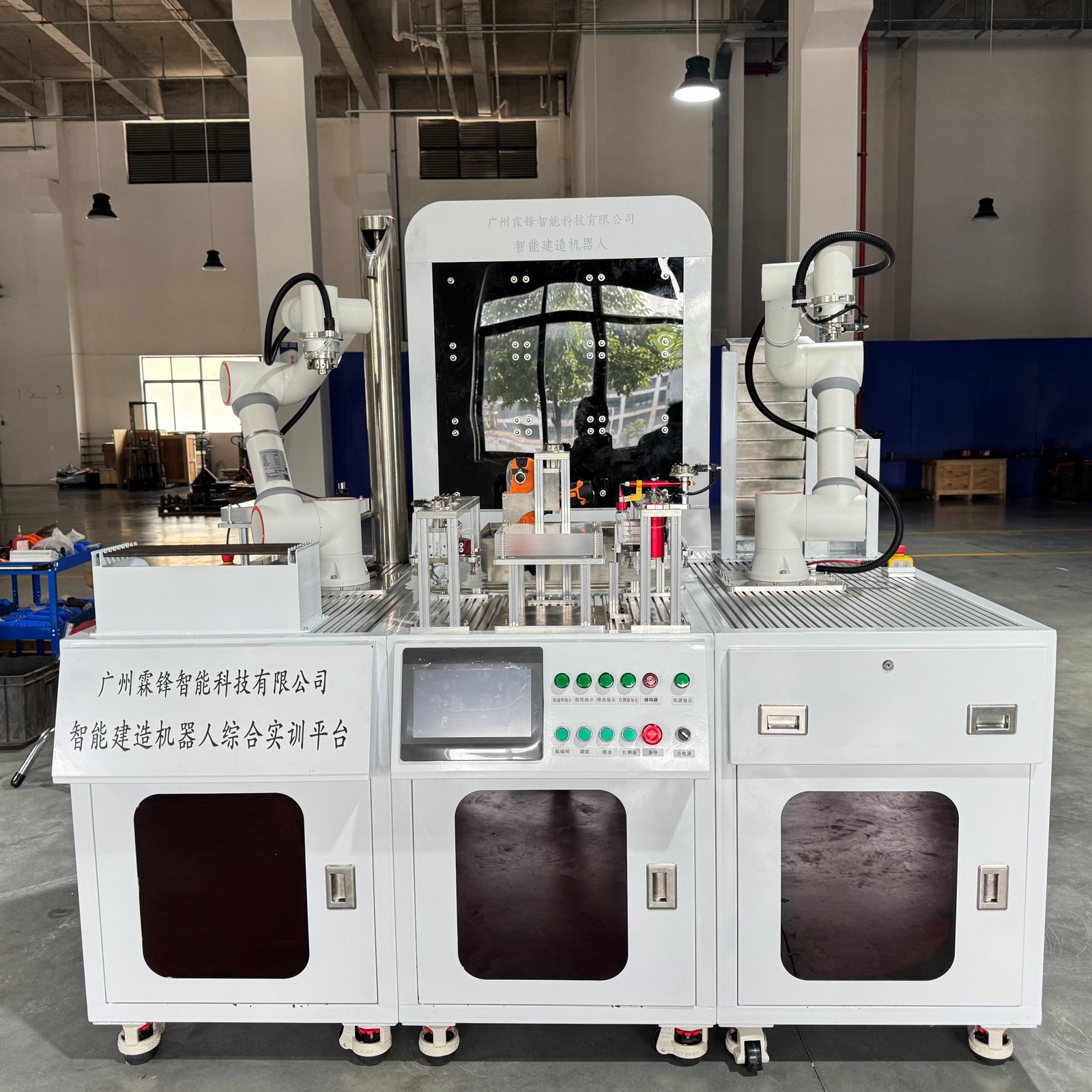
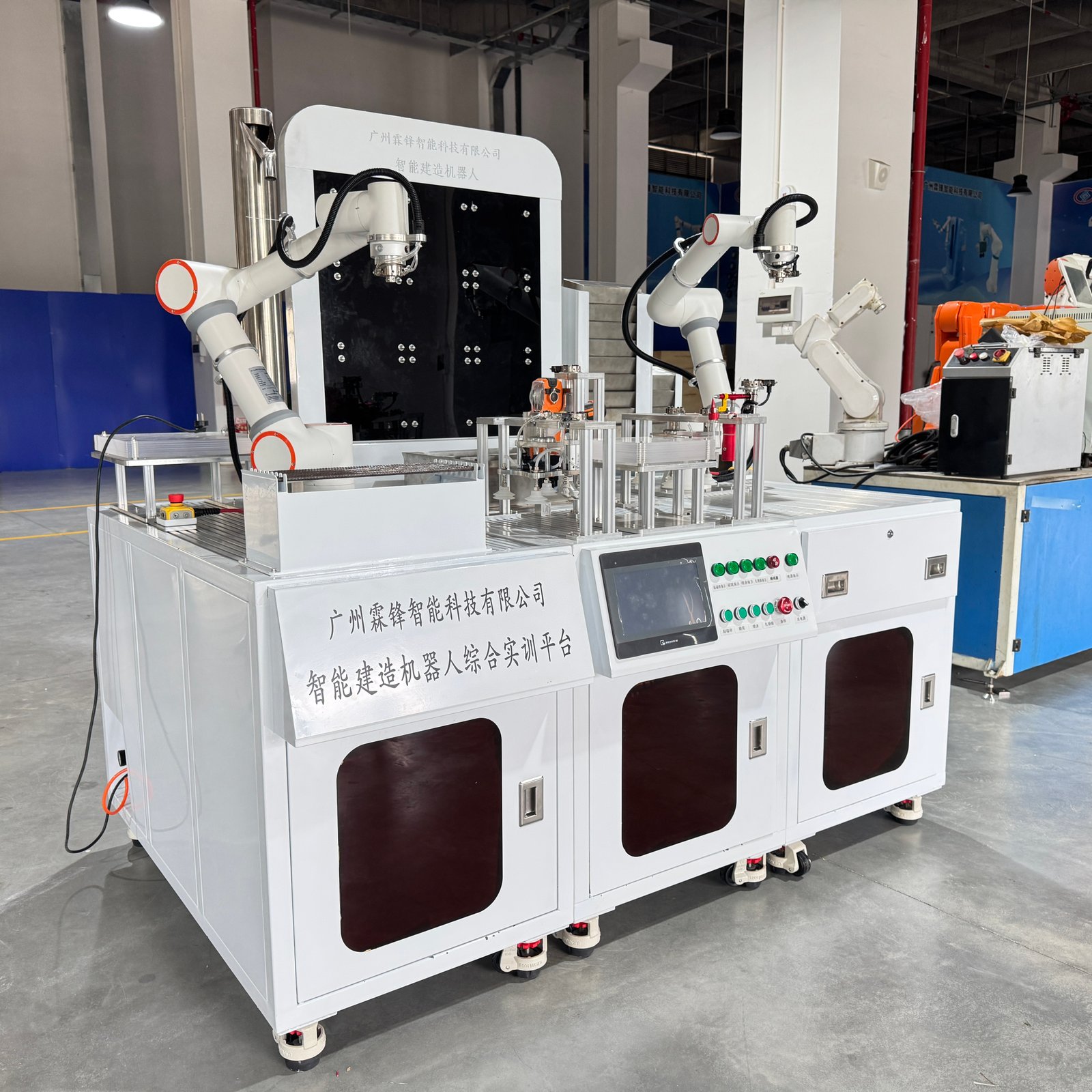
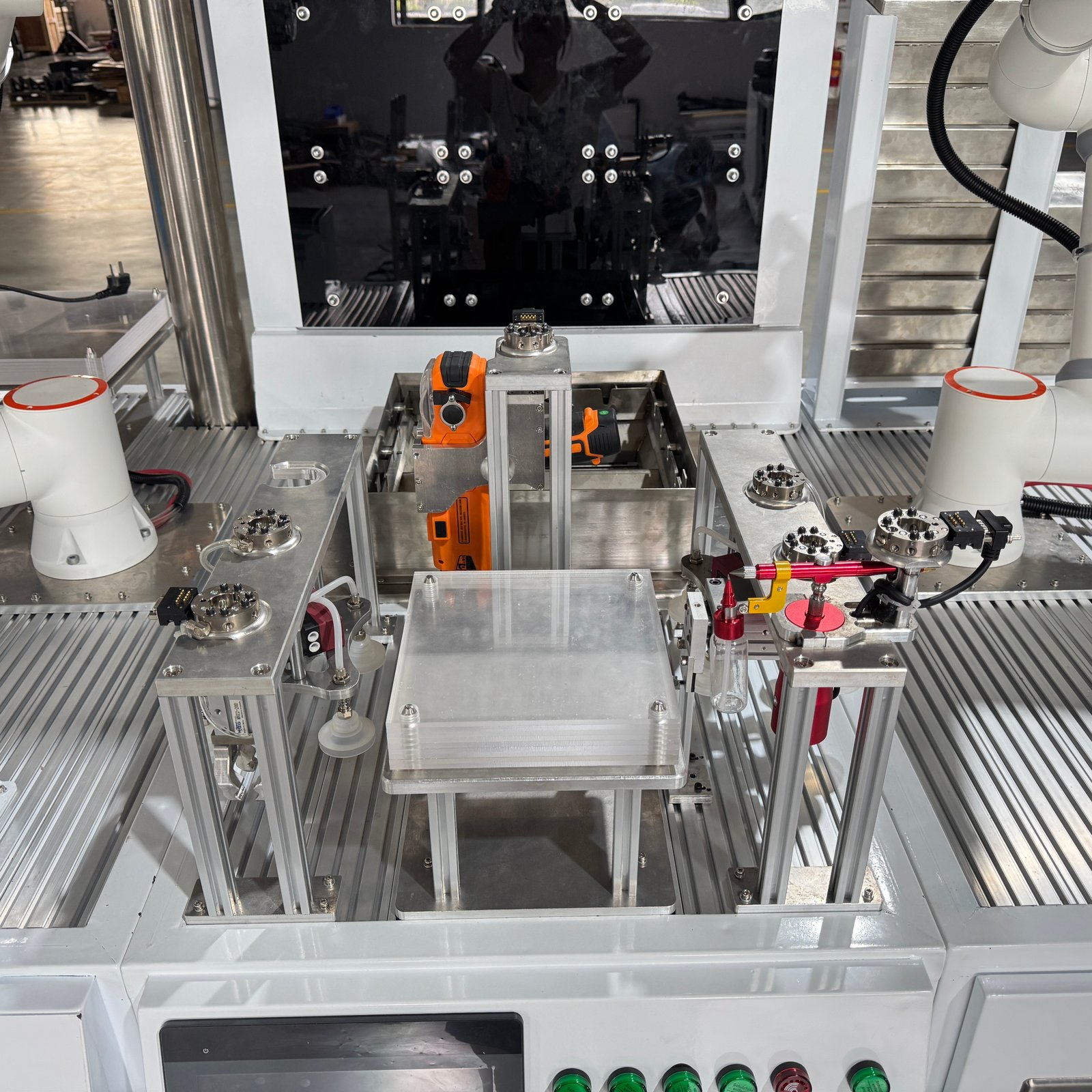
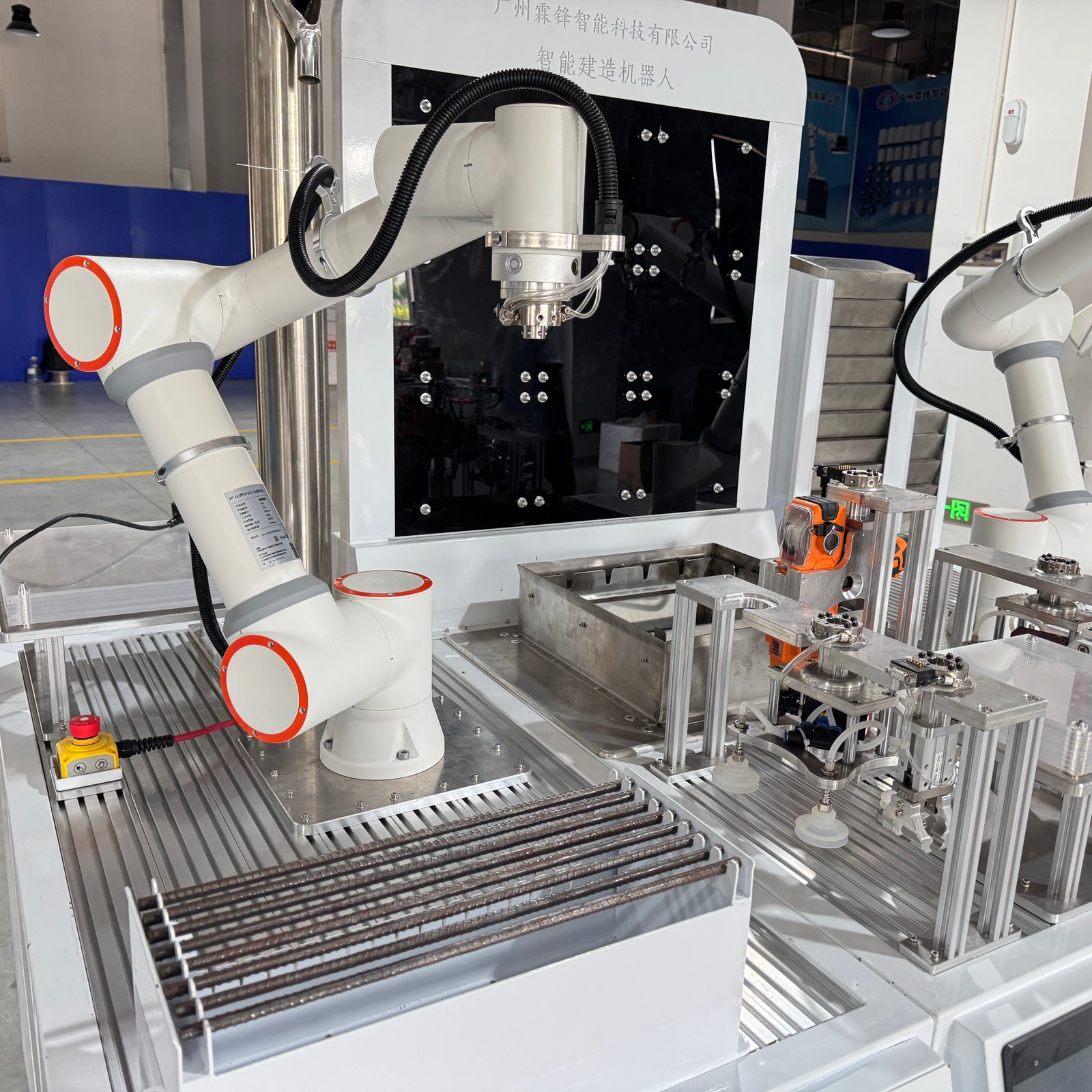
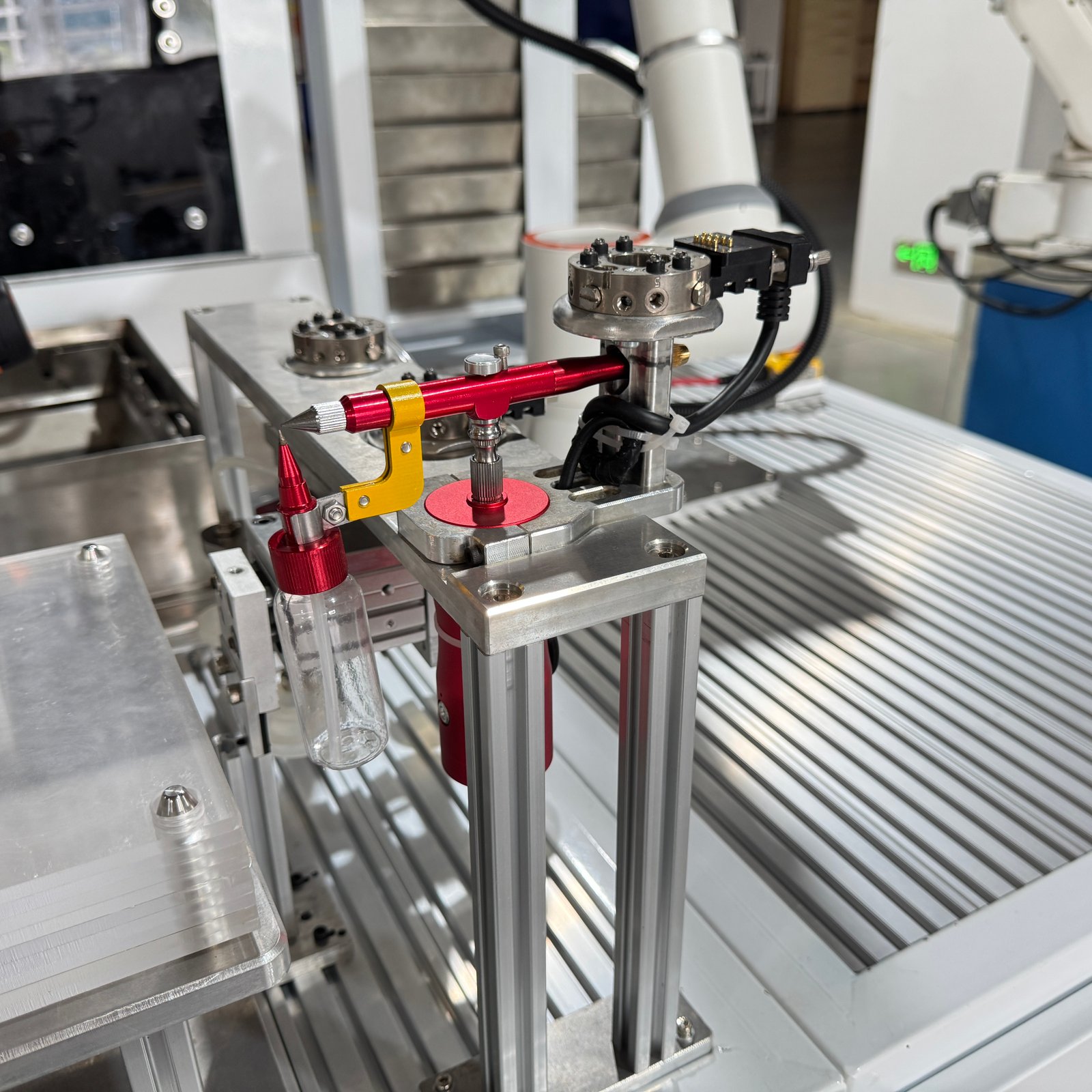
Photos show different configurations and application examples. Final equipment and accessories depend on the selected configuration.
Tell us what the robot
needs to do.
Share your teaching objectives, research tasks and lab requirements. Our engineering team will help define the configuration.
Talk to an engineer